A Montage is when an editor mixes together multiple different videos to create a collage of videos that are going on one after another at a fast pace, this is typically done in music videos. An example of where I have used this technique would be at 2:22 where there are multiple clips of different times of the video from when the boss was alive, leading up to his death. How the use of a montage leaves an impact on the viewer, is by showing that a lot is going on. In this case I have used the montage to leave an impact by showing a collage of clips, which seems to be a tribute for the boss that died, this would leave the audience feeling sympathy, seeing all the things that the boss went through, leading to his sad death.

Fade
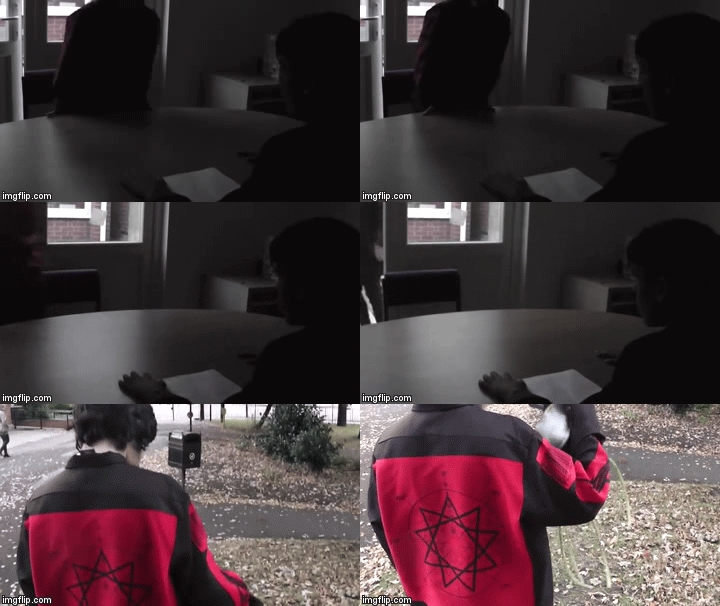
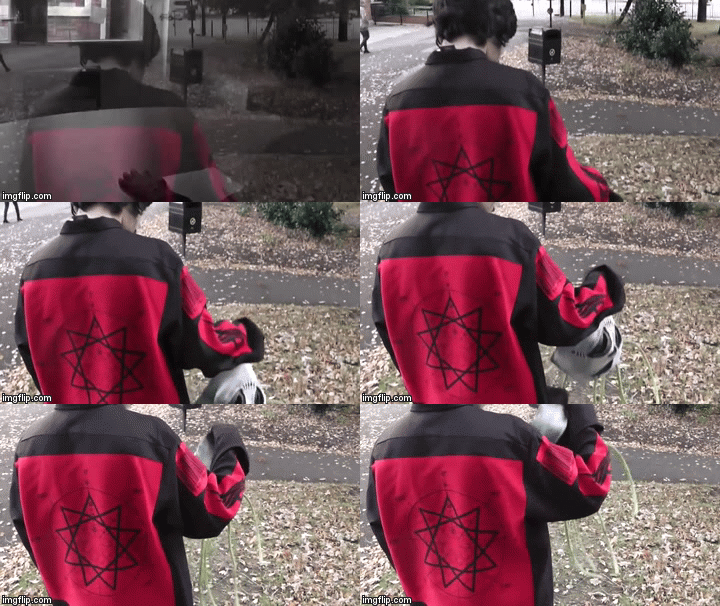
A fade is when an editor adds a dissolve between shots to make it seem like the film focuses on a new area where the story continues. This technique is usually used when the film begins and ends, this will make the film more interesting to watch. An example of where I have used this technique would be at 0:38 where the location changes from inside a meeting room, to the park where the job applicant puts on the mask and then sways his body side to side creepily, this adds a creepy vibe to the scene, whilst it fits in with the music that is playing. This is to get the audience to wait in suspense and a bit frightened while watching of what is to come. If the fade was not included in the film, it would have just cut to the next shot without including the creepy vibe that is needed to create the scene.

Cutaways
A cutaway is a shot that the editor includes that sometimes may and may not relate to the story, sometimes cutaways do not really add anything to the story, but sometimes it will give information about what is going on. There are many ways cutaways are used in films, such as when two people are talking, there could be a quick shot of someone in the conversation rolling their eyes, it does not add anything to the story, but it tells the audience that the characters might not believe that the other character is telling the truth or not interested in what the other character is saying. An example of where I used this technique would be at 1:12. Here I showed a shot of the boss twiddling his thumbs in thought and passing time. The twiddling his thumb shot doesn't add to the story line but the impact that this has on the audience is to give them a little information of the boss finally getting a chance to sit down, rest and is relaxed.
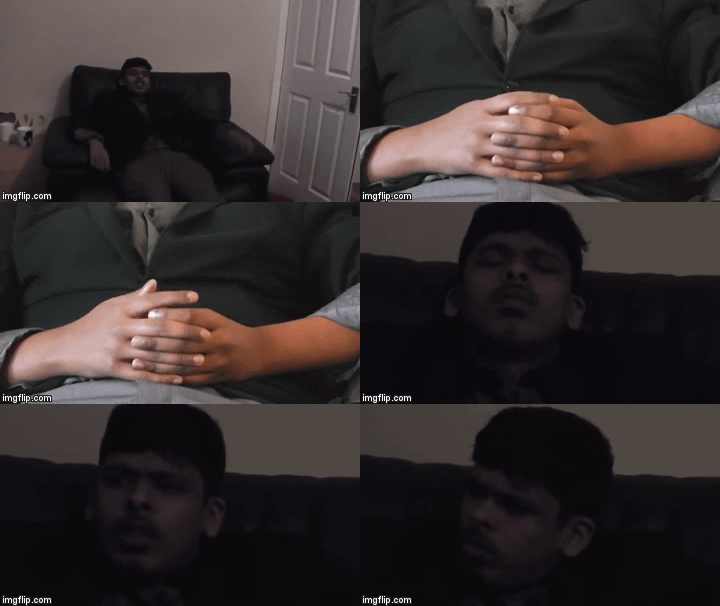
Effective Pacing
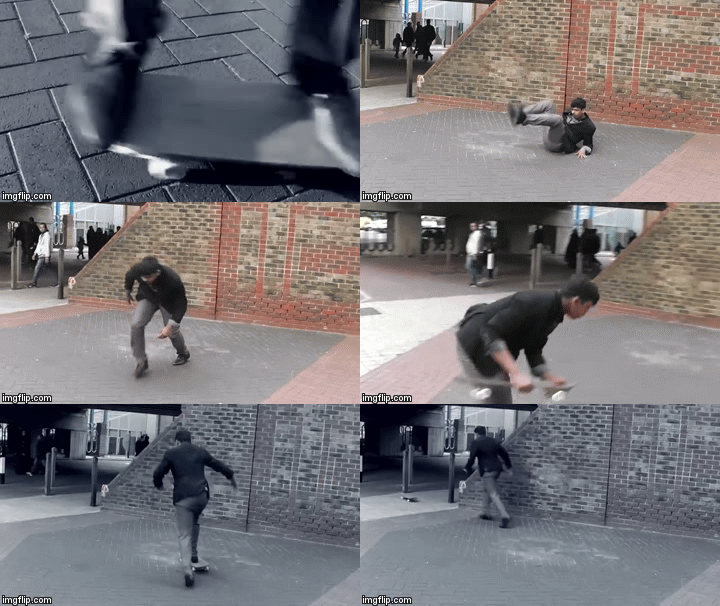
Effective pacing is when the editor makes the tempo a certain way to leave an impact on the audience. The way the pacing is done, can make the audience feel a certain way. An example of where it can be found are in some Asian dramas. When something serious happens, they show the reactions of every single person in that room being shocked, while in slow motion, this leaves an impact on the audience, getting them to also think along with the shocked characters "did this really just happen?" adding more tension and making the audience wait to see how the situation will continue. An example of where I have used this technique would be at 1:56 where the boss is trying to get away, here the pace of the editing is very quick, but shortly after there is a longer shot of the boss tripping and then getting back on the skateboard to skate away. The way this technique leaves an impact on the viewer is by having fast paced editing during the scene shows the audience that a lot is going on in the scene. This shows the boss is really rushing to get away, and by having a longer slower shot after it, when he makes a mistake and falls adds drama to his clumsiness and silliness in trying to get away again still using the skateboard.

Convey Information Effectively
Convey information effectively is when an editor structures the shots in a certain way to tell the audience what is happening in the scene clearly. An example of where this is used in films would be when one character has a flashback, which tells the audience what has happened to that character. An example of where I have used this technique would be at 0:44 where the applicant is waving is body creepily, and then it turns out that the boss is in the same area. When the boss looks to the side, it turned out that the masked applicant is not there, so the boss thinks his mind is playing tricks and actually saw nothing so he walked off.
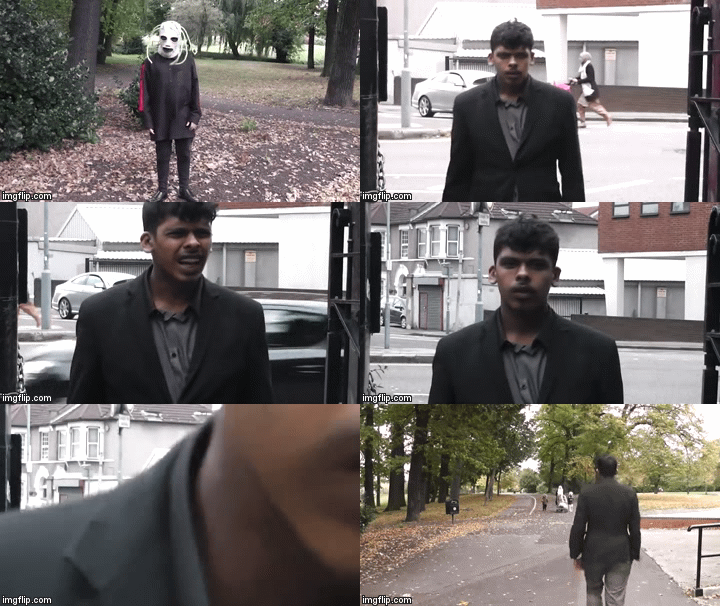
Use Sound To Create Impact
Using sound to create impact is when an editor uses certain sounds at a certain moment in the film to really get out an emotion from the audience. This can be used in many ways, such as when editors add sad piano/violin music during a death scene, or adding tense and thrilling music during a chase scene, using sounds like this can really make the audience feel the way that the editor wants them to feel. An example of where I used this would be at 1:12 where I made the calm, relax music stop for dramatic effect, showing the applicant in a creepy mask, which gets the thought in the audience's head "where did he come from" which makes the film tense to watch, since with the silence it makes the audience wonder what will happen next.
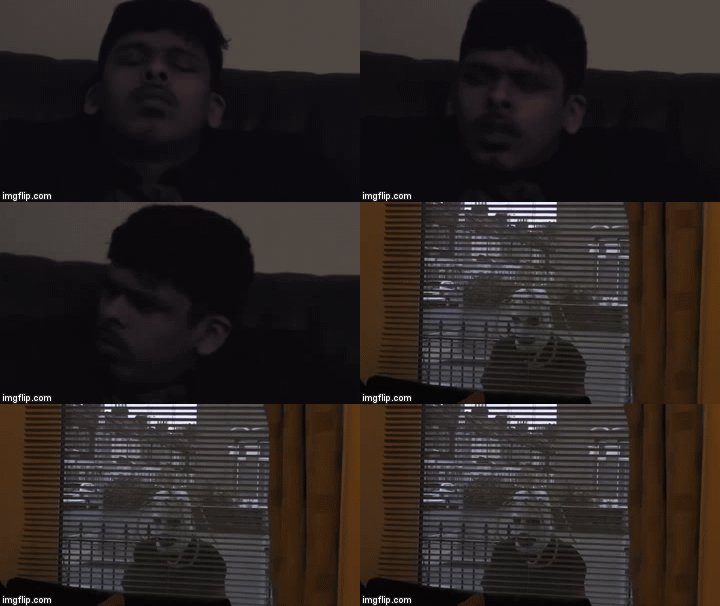
Synchronise Sound And Vision
Synchronise sound and vision is when an editor makes the sound match what is going on in the film with music and sound effects, such as if it is a horror scene, where a killer is creeping up on someone, they will use eerie, disturbing music, or when someone suddenly opens a door, they add a creaking sound effect, to really add that creepy vibe to the scene. An example of where I used this technique would be at 1:17 where the suspenseful music plays when the boss is trying to get away, the music hits at the exact same time when the boss's feet just hit the floor as he gets away. The way this this leaves an impact on the audience is that when the music hits just when the boss hits his feet on the floor shows that something serious is happening, and tells the audience that the boss just started to quickly get away from the applicant with the mask.
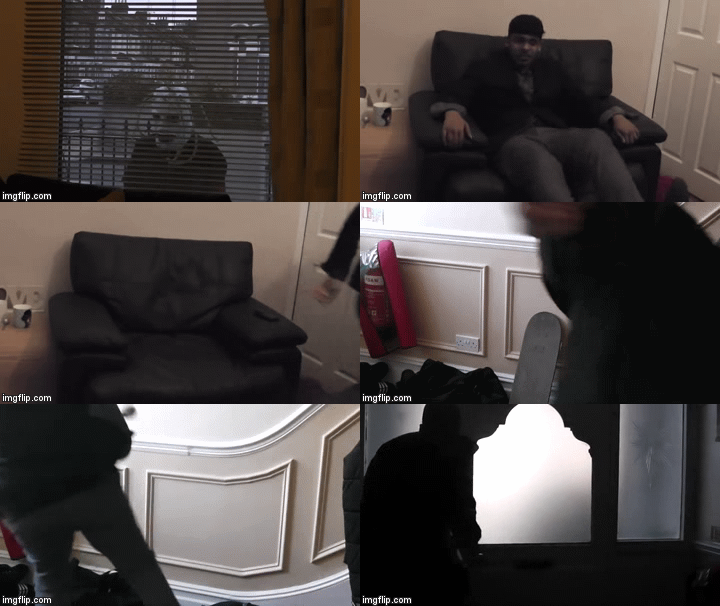
Mix Soundtracks
Mixing soundtracks is when an editor uses more than one type of music in their film. This is done in a lot of films where they switch from one piece of music to another to fit the change of shots. In horror films they quickly change to very tense music when a killer is approaching or there is a death scene, to add the suspense that fits with the scene. An example of where I used this technique would be at 0:32 where while the meeting is still going on, the music stops for a brief second and then switches to the creepy music where the student puts on the mask. This leaves an impact on the audience since the sudden change of calm, joyful music to creepy and eerie music signals that something seems a bit off, which is exactly what happens, since the audience sees that the applicant has a satanic symbol on the back and then puts on the mask, and this surprises them, the change of music really adds to the shock factor that the scene has.
Overlap Sounds
Overlapping sounds is when an editor uses different pieces of audio, and plays them at the same time to create an effect that gives a certain feeling for the audience while watching the film. An example of where this is used in films would be when someone has a sudden flashback, or where there is a scene where a character has many voices in their head, and they are all playing at the same time. An example of where I have done this would be at 0:39 where the sound of the boss saying "clearly not fit for the job" is happening at the same time as the creepy music. I played the sound of the boss saying the line "clearly not fit for the job" three times, each one gets quieter so it sounds like an echo, and this plays over the creepy music that has just started playing. By doing this having the creepy music start tells the audience that something is wrong, and at the same time, playing the boss's voice is strange, since he is not in the shot, but playing it like it is an echo tells the audience that it is in the applicants head, and playing that at the same time as the creepy music, makes the audience think he is going to do something to the boss.
Offline Edit/Online Edit
Offline editing is when an editor uses a shooting script to check all of the shots that they filmed, and see what shots they use, and what shots they discard. Online editing is when an editor uses a computer software to edit their films. All film makers do this technique for the making of their film. I used offline editing when I made a shooting script that had all of the shots that I would use in the film, and all of the shots that I will discard. I used online editing when I was actually editing the film on a mac. Doing this was very useful, because the offline editing helped me see what shots were going to be used in the film, and it made editing much easier, and the online editing allowed me to actually edit my film.
On Screen Text
On screen text is when an editor literally just adds a bit of text on the screen, this is always done in films, where they sometimes show the title of the film at the beginning and when they always show the credits at the end, this is also done when time passes by and they show some text that says how time went by, for example saying"3 hours later". An example of where I used this would be at 2:30 at the end, where it shows that I made the film. I made some credits at the end of the film, showing a fade in of text that says "By Usama Mohammad", by doing this it informs the audience on who was the person that actually made the film, so they can know their name and see if they have any other films to watch.

Image Editing
Image editing is when an editor changes the visuals of the film, by adding effects and filters to improve the looks of the film. An example of where this is used would be when film makers add transitions in their films, and change the appearance of the film to how it originally looked. An example of where I used this technique would be at 1:25 where there is a filter on the screen while the boss is getting away in slow motion. The way I used image editing, is that I added a tense filter to the shot, which made the scene seem more tense, and made it also fit in with the music. The impact this has on the audience shows that the scene is very tense, and the boss is rushing to get away, with all the serious colours.

Audio Editing
Audio editing is when an editor rearranges the audio and adds effects such as making the audio fade in and fade out, the editor sometimes also makes the audio louder or quieter than it was before, so it can improve the film. An example of where this is used in films is when there is a tense scene, and the music in the background goes quieter, so that the audience can focus more on what is going on, such as actions that are taking place, or dialogue that is playing. An example of where I used this technique would be at 1:45 where I stopped the tense music, just at the exact moment when the boss falls off the skateboard. The effect that this has on the audience is that it adds more humour, in a slapstick way to the scene, making the audience be able to know that it was a clumsy mistake that he made in a serious moment, and by having the audience be able to hear the "wait, wait, okay", adds even more humour to the scene.

No comments:
Post a Comment